Rural healthcare systems across the country are under pressure. Recruiting and retaining specialists is difficult. Financial margins are thin, if not negative. Nationally, more than 130 rural hospitals have closed since 2010. And yet, for the communities they serve, rural hospitals are lifelines.
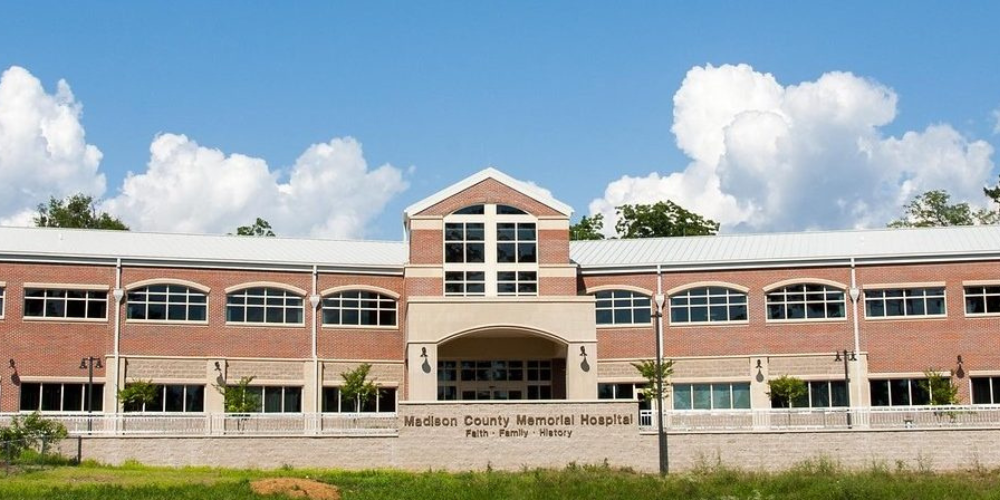
Approximately 100 miles northwest of Jacksonville, Madison County Memorial Hospital (MCMH) is facing those tough realities. As a federally designated critical access hospital, MCMH is limited to 25 inpatient beds while maintaining 24/7 emergency services for a county of fewer than 20,000 residents. When specialty providers leave, residents can be forced to drive 40 miles or more for services such as OB-GYN, pediatrics or mental health care.
“Rural hospitals are often seen only as small facilities providing emergency care,” said Tammy Stevens, CEO of MCMH. “In reality, they are the heartbeat of their communities. When a rural hospital thrives, the community thrives. When a rural hospital struggles, the entire ecosystem feels it.”
For Jacksonville University’s Keigwin School of Nursing (KSON), the challenges facing rural hospitals like Madison County create an ideal
learning 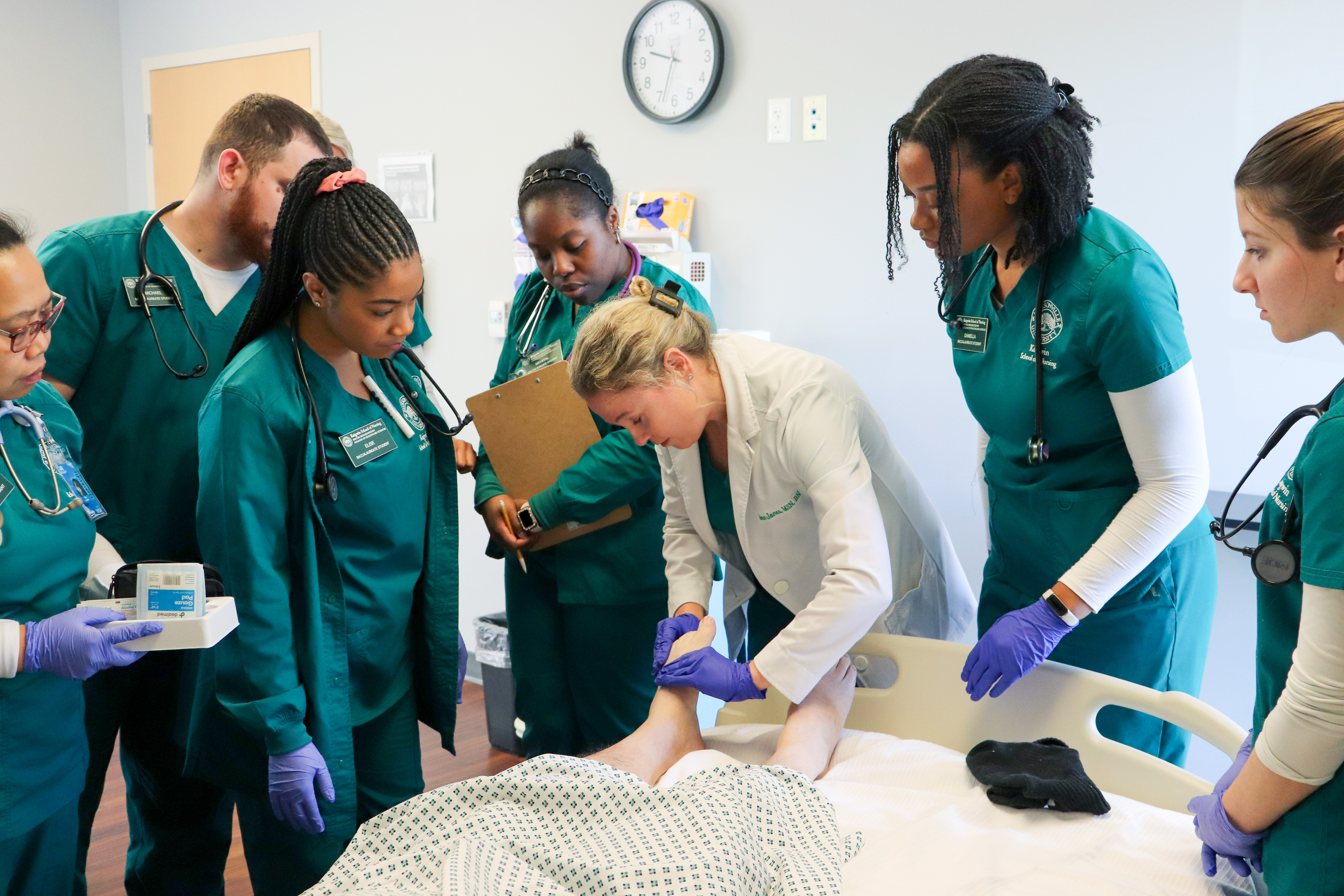 environment for its students, giving them opportunities that sharpen their ability
to problem-solve, adapt and deliver high-quality care in communities with limited
resources.
environment for its students, giving them opportunities that sharpen their ability
to problem-solve, adapt and deliver high-quality care in communities with limited
resources.
“Exposure to rural and critical access settings is essential,” said Dr. Lindsay Wolf, associate dean of nursing and chief academic nurse at JU. “Students learn clinical versatility, resource stewardship, interprofessional collaboration and deep community engagement in ways that simply aren’t replicated in large systems.”
That shared understanding of challenge and opportunity sparked a new partnership between JU and MCMH, one designed to simultaneously enhance student learning while reinforcing rural healthcare infrastructure in North Florida.
“Partnering with JU strengthens both our present and our future,” said Lori Evans, a JU alumna who serves as the development director contractor for MCMH. “Students see our patients. They see our challenges. They see our potential. When students discover purpose in a rural setting, they don’t just fill a position. They become part of a community.”
Graduate nursing students are already contributing in high-impact ways. As part of the hospital’s required community health needs assessment, JU students are helping redesign surveys, analyze data, synthesize findings and build implementation strategies that will guide rural healthcare planning over the next five years.
“It is so hard to get people to take the time to provide feedback,” Evans said. “A fresh perspective to help trim and strengthen our survey was extremely useful.”
Beyond data analysis, students are supporting wellness initiatives and exploring future projects that could help build a sustainable provider pipeline in the region, such as artificial intelligence in rural health and nurse practitioner internships.
Looking ahead, KSON plans to expand the clinical opportunities with MCMH. Research consistently shows that students trained in rural settings are more likely to practice there. That trend is a critical factor for hospitals working to maintain stable, long-term care access.
“We aren’t just addressing today’s needs,” Stevens said. “We are building a framework for the next five years and beyond. Rural communities deserve innovation, access and opportunity. This partnership helps ensure we are moving intentionally toward that future.”
For JU nursing students, that framework is preparing them to serve where they are needed most.
“This partnership is about more than clinical placements,” said Wolf. “It represents a commitment to ensuring that rural communities like Madison County have access to well-prepared nurses who understand the complexity, resilience, and unique strengths of rural healthcare systems. By integrating education, workforce development and community service, we are training nurses and strengthening the future of rural health in Florida.”